Professionalism and Director Institutes by Dr Chris Pierce
It is noticeable that there has been a growing focus by Director Institutes on company director professionalism. Examples include the UK IoD launching a public consultation in June of a code of conduct for directors and earlier in the year the GCC Board Directors Institute employed for the first time a Head of Professional Development. This is perhaps a suitable time to reflect upon the question as to whether company directorship is in fact a profession and whether the GNDI should be raising the status of directorship in terms of professionalism.
Firstly, the word professional needs defining. A “profession” usually has the following seven attributes:
- The existence of a bounded and prescribed body of knowledge and skills
A profession requires that professional activities should be associated with specific knowledge and skills. In the US, the National Association of Corporate Directors regularly publishes Blue Ribbon Reports on best practices. Many of the Director Institutes have over the last twenty years developed competency frameworks based upon extensive research typical examples include the New Zealand IoD or the IoD In Ireland.
- A group of people with distinct and identifiable knowledge and capabilities recognised at national and international levels.
A profession must comprise people with distinct and identifiable knowledge and capabilities that require considerable study and practice to acquire. Many of the Director Institutes link their competency frameworks outlined above to their director development programmes. For example, the Institute of Directors South Africa framework contains twenty competencies which are embedded in their development programmes.
As a result of their expertise members of the profession are frequently involved in a consultative role by law making and regulatory bodies at both national and international levels.
Professions are valued because of their independence and normally avoid taking political positions on issues. An example of active advocacy is ecoDa which have engaged in detailed consultation with the European Parliament and Council relating to such directives that include EU Corporate Sustainability Due Diligence Directive. Another good example is that of the Brazilian Institute of Corporate Governance (IBGC) that publishes a regular Institutions and Government Relations Newsletter.
- Training, education and development
A profession requires the provision of training, education, and development as a prerequisite to practice. All of the Director Institutes that I am aware of are involved in training, education, and development although this is not a mandatory requirement to become a director.
- A professional entrance examination
Professions normally require entry restrictions which are specified and assessed in an objective manner.
Many Director Institutes in recent years have moved to examinations. It was pleasing to note for example that the Mauritius Institute of Directors graduated their first Chartered Directors in association with the University of Mauritius in July (these graduates had previously already passed Certificate and Diploma examinations awarded by the Mauritius Institute of Directors).
- A code of conduct, professional standards, and self-regulation
Within a profession a regulating body or institution is responsible for developing professional standards. Members are expected to conform when applying for membership and continue to comply with levels of knowledge, skill and integrity prescribed by the professional body while retaining their membership of the profession. Professions have a responsibility to maintain the professional standards of entrants into the profession and enforce regulations and standards. Codes of conduct, regulations and standards may involve the necessity to subordinate personal interests and feelings to the interests of collective membership and professional requisition and non- compliance can involve expulsion from the profession. The UK IoD was one of the first Director Institutes to launch a code of professional conduct for directors in 2001.
- Continuing professional development
All professionals should be involved in the systematic maintenance and improvement and broadening of knowledge, understanding and skills throughout their working lives. For example, in the UK, the IoD Royal Charter and the Code of Professional Conduct requires that chartered directors complete a minimum of 30 hours of CPD per year. Communities of practices organised by the Thai Institute of Directors is another interesting example of CPD.
- Excellence and public confidence
Frequently professionalism is associated with pride and commitment to the achievement of excellence. This attribute is necessary to maintain public confidence in the capabilities of the members of the profession.
As can be seen from the above discussion, many of these elements of professionalism are being applied within Director Institutes around the World. I encourage readers of this short article to consider whether any of these elements are best suited to be developed by the Director Institute at the national level, or whether they should fall within the remit of the Global Network or whether both the Director Institutes and the GNDI play a symbiotic role in these developments?
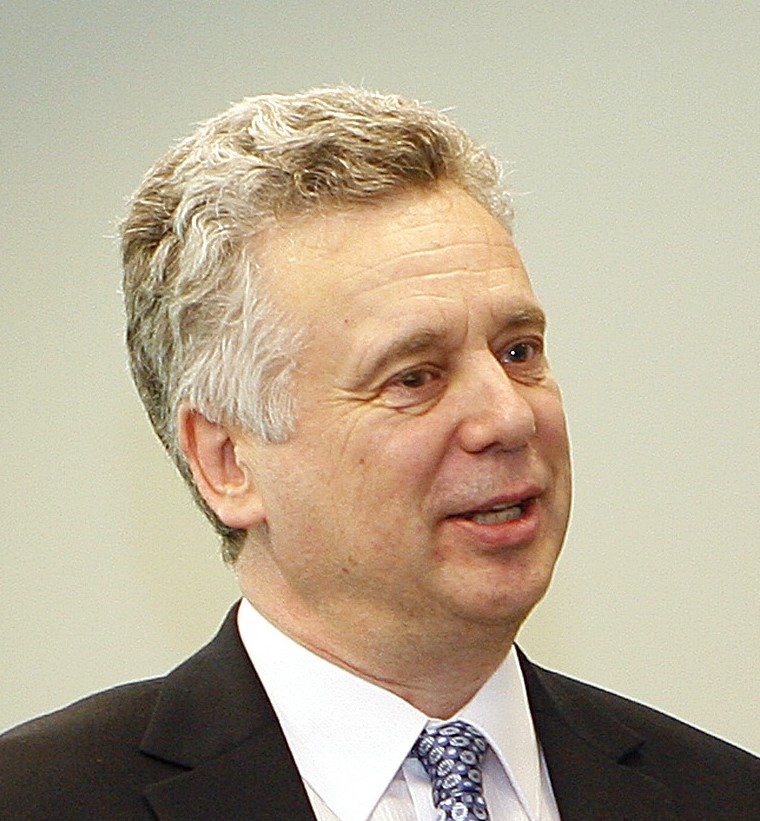 Chris is the CEO of Global Governance Services Ltd based in London. Over the last 30 years he has enjoyed assisting Director Institutes around the World in developing the professionalism of their members. He apologises for not mentioning all of the excellent work being done by Director Institutes around the World in this short article!