
Khalid Hashim Al-Dabbagh, Chair SABIC & Director on the Board of Saudi Aramco
Khalid Hashim Al-Dabbagh, Chair SABIC & Director on the Board of Saudi Aramco
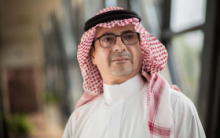
Eng. Al-Dabbagh currently chairs the Board of Directors of Saudi Basic Industries Corporation (SABIC) and is a member of the Investment Committee of the Public Investment Fund, Saudi Aramco’s board of directors, the GCC Institute of Directors board of governors, the Committee of Chairmen of the Boards of Directors of the World Economic Forum, and a member on the Advisory Board of the King Abdulaziz Award for Excellence. Prior to his current positions, Al-Dabbagh served as Senior Vice President for Finance, Strategy and Development at Saudi Aramco, while also holding the critical role of Chief Financial Officer. His leadership extended to various key positions within the company, including Controller and Treasurer.
He also led different sectors at Saudi Aramco, encompassing corporate planning, development and management of joint ventures, and marketing. He held the position of CEO of Saudi Aramco International in New York and Managing Director of Saudi Aramco Limited in Tokyo. He also chaired the board of directors for both Saudi Aramco Development Company (SADCO) and Wasaya Investment Company. He also actively participated in shaping corporate governance policies within Aramco Trading Company by serving as a member of their Board of Directors and chairing their Audit Committee. He held memberships on the boards of various other companies such as Showa Shell in Japan, Sadara Chemical Company (Sadara), Arlanxeo Holding BV in the Netherlands, Fujian Refining and Petrochemical Marketing Joint Venture in China, and Pervekim Refining and Petrochemical Joint Venture in Malaysia.
He holds a Bachelor of Science degree in Industrial Engineering from the University of Toledo and completed numerous executive leadership programs, including the prestigious Senior Executive Program at London Business School.
Q: As Chair of one of the world's leading chemical companies, how do you ensure that boardroom communication fosters a culture of innovation? What strategies do you employ to align these innovations with SABIC’s long-term growth and global competitiveness?
As Chair of SABIC, fostering a culture of innovation remains one of my top priorities. We regularly meet with our end customers and engage in disciplined dialogue at the Board level, ensuring our product portfolio remains competitive. As a Board, we are acutely aware of the various technological trends shaping our industry. I have encouraged the presentation of specific innovation-related topics at Board meetings, often inviting external speakers, especially as we hold global discussions.
Innovation-specific dialogues at the Board are generally incorporated into our Strategy Refresh process. The Board reflects on these insights, enabling the management team to prioritise the most impactful projects within the 10-year plan. This plan outlines our competitive outlook and ensures a balanced capital allocation to the most profitable projects.
Additionally, the Board conducts a detailed review of the R&D budget, focusing on high-value themes. SABIC holds nearly 11,000 patents and pending applications, and our 20 global technology and innovation centres employ more than 2,000 employees to bring sustainable material solutions and products to market.
Furthermore, we continue to provide venture capital for promising innovation projects, which strengthens our intellectual property portfolio and ensures access to breakthrough technologies.
Q: Sustainability is a critical focus in the chemical industry. How do you facilitate boardroom discussions that address the balance between business growth and environmental responsibility? What role does communication play in setting and achieving SABIC’s sustainability goals?
Sustainability and transformation are indeed key focuses within our industry. It is our responsibility to ensure that our assets and products are progressing towards our ambition of becoming carbon neutral by 2050. As a result, all projects are rigorously evaluated to strike the right balance between our sustainability footprint and growth agenda. Our Board has adopted a sustainability reporting system that captures our environmental footprint data, which is subsequently reviewed with management.
All projects, therefore, undergo a rigorous analysis framework with active Board-level engagement to ensure they meet, and even exceed, global sustainability standards. Growth remains a core focus for our Board, and our commercial analysis framework considers the cost of carbon capture and sequestration wherever relevant.
Transparency with stakeholders and a thoughtful assessment of emerging reporting standards in the ESG space will be essential moving forward. As a frontrunner in the Kingdom of Saudi Arabia and across the Gulf region, SABIC has published its first Integrated Annual Report for 2023, combining our standard Annual Report and Consolidated Financial Statements with the Sustainability Report, adhering to global integrated reporting standards. In addition to disclosing material ESG metrics, SABIC’s sustainability goals, including our roadmap and interim milestones, are also reported.
Q: SABIC operates in diverse markets around the world. How do you manage effective communication in the boardroom to ensure that the company’s global operations are strategically aligned and responsive to varying market dynamics?
Given the complexity and scale of our operations, we have developed several strategies to ensure alignment and responsiveness to varying market dynamics. The Board regularly visits different regions to interact with customers, suppliers, and investors. Our business plan updates, along with monthly financial and operational reports from all our regions, ensure a common understanding of our global operations. Interventions, if needed, regarding strategy, competitive threats, and evolving customer needs are made on a case-by-case basis, with management leading the analysis and presenting options for Board decisions.
Q: Effective leadership is crucial in a complex and highly regulated industry like chemicals. How do you promote collaboration and inclusivity among the board members ensuring diverse perspectives contribute to well-rounded decision making?
Each board member brings unique skills and experience to the boardroom, and we value their insights into maintaining SABIC’s position as a world-class player. As Chair, I actively seek input from all our board members to ensure a diversity of thought and quality debate. We strive to have a balanced board with varied backgrounds and experiences. I typically pose questions that trigger dialogue within the Board and consistently encourage members to express their opinions freely. The relevant committees of the Board also provide opportunities for members to collaborate and participate actively in Board decisions.
Q: What practices do you implement to ensure transparency and accountability in boardroom decisions, particularly those that have significant implications for the company’s global standing?
The Board operates with simple guidelines around ensuring all members are clear on decisions where there may be a perceived conflict of interest. We maintain a register to capture any personal or business interest of all board members. In addition, the use of a Board portal ensures transparency and timeliness in sharing information with members.
As Chair, I remind the members that it is critical to recognize our collective responsibility to our shareholders and our stakeholders. We undertake this by having a strong governance framework, which has clear roles, responsibilities, and decision-making processes within the boardroom, besides having regular reporting to facilitate transparency. Any activity that the company undertakes that may impact its standing is always communicated by management to the Board to ensure awareness and where necessary receive guidance. The Board ensures timely decisions.
Finally, we diligently follow a strong code of conduct that prioritizes integrity, fairness, and responsibility.