
Dr. Miznah AlOmair, CEO, Alnahda Society
Dr. Miznah AlOmair, CEO, Alnahda Society
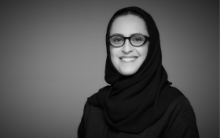
Dr. Miznah Alomair began her career as a mental health therapist at the National Guard Health Affairs before transitioning to academia at Prince Sultan University, where she was a faculty member and Director of Student Affairs. She later held research roles at Chapman University and the Women’s Leadership Center at Princess Nourah University.
In 2022, she joined Alnahda Society as Chief Program Officer and became CEO a year later. She was appointed by Supreme Order to lead the Saudi delegation for the W20 in 2023 and, in 2024, joined the UN Human Rights Council’s Advisory Committee.
Dr. Alomair holds a Ph.D. in Education (Leadership Studies) from Chapman University, along with degrees in Psychology and Marriage & Family Therapy. A published scholar in leadership studies, she is also a certified assessor and trainer in leadership development models.
Alnahda Society has been a key driver of women’s empowerment in Saudi Arabia. How do you see corporate governance playing a role in advancing gender equity within organisations?
Equity is fundamental to pursuing and achieving Alnahda Society’s objective in empowering women economically and socially. As a leading non-profit organisation in Saudi Arabia, corporate governance plays a crucial role in advancing this agenda. We are committed to holistic governance, ensuring integrity, transparency, accountability, and adherence to the highest quality standards in our programmes and interactions with stakeholders, including donors, partners, members, and beneficiaries.
At a programme level, our commitment to corporate governance principles enables us to assess women’s empowerment across political, economic, social, and civil rights, ensuring impactful and high-quality programming. At an organisational level, these governance principles guide us in implementing our strategic plan, where gender equality and balance are core priorities.
Your work emphasises creating sustainable social impact. What governance frameworks can ensure that diversity and inclusion initiatives lead to long-term systemic change?
Alnahda Society is recognised as a leader in social development due to its longstanding impact, strong leadership, and deep understanding of Saudi Arabia’s socio-economic landscape. Its credibility is built on a history of pioneering initiatives that address pressing challenges, foster trust, and provide effective solutions.
To achieve sustainable social impact, we prioritise legal and ethical compliance while maintaining a robust corporate governance framework. Our board of directors actively ensures that governance structures support the organisation’s mission of women’s empowerment and gender equity. For instance, we have updated and unanimously approved the roles and responsibilities charter for the board of directors, revised board committee charters to align with non-profit sector regulations, and reinforced ethical guidelines. These efforts enhance accountability across the organisation, fostering a culture of transparency and responsibility.
Women’s participation in leadership and decision-making is growing. What policies or best practices have you seen successfully implemented to support this shift?
Women’s economic empowerment and career advancement in Saudi Arabia have been significantly driven by Saudi Vision 20230. Since its launch, unprecedented progress has been made in women’s rights, supported by legal and regulatory reforms that enhance women’s access to opportunities and protect their dignity.
A pivotal development in 2023 was the introduction of a national non-discrimination policy covering age, gender, race, nationality, social origin, disability, marital status, and health status. This policy has explicitly prevented employment discrimination, fostering greater equality in hiring, promotions, and training opportunities. As a result, women’s participation in leadership and decision-making roles has increased, and employment opportunities have expanded across sectors.
However, challenges remain, particularly in board representation. The GCC Board Gender Index Report 2024 reveals that only 2% of board positions in Saudi Arabia are held by women. To sustain and accelerate this progress, women’s leadership roles must be diversified across industries. In non-profit organisations, where gender diversity is more prevalent, efforts must be made to ensure women’s representation extends beyond traditionally gendered sectors, enabling broader equality at the board level.
How can organisations and policymakers work together to strengthen accountability for social inclusion and gender diversity in the corporate and public sectors?
At Alnahda Society, we believe in the power of evidence-based research to shape socio-economic policies and programmes that support women’s empowerment. By working closely with policymakers, we engage in transparent and constructive discussions to advocate for gender equity initiatives.
A key example is Takafu, an initiative launched by Alnahda Society in 2018, establishing Saudi Arabia’s first Equal Opportunity Index. This index measures gender disparities in workforce participation, wages, and career advancement for both Saudi nationals and expatriates in the private sector. Takafu highlights the multi-dimensional impact of socio-economic reforms on women’s empowerment and promotes equal access to economic opportunities.
As a non-profit and non-governmental organisation, our role provides policymakers with critical insights into the realities of women’s economic participation. Our research offers data-driven policy recommendations, guiding the development of gender-inclusive labour market policies. Through these efforts, we ensure that inclusion and gender equity are embedded into national economic strategies.
What advice would you give to organisations looking to embed diversity and inclusion into their governance structures?
Embedding diversity and inclusion into governance structures is essential for fostering a workplace culture that values varied perspectives and drives better decision-making. Organisations should consider the following best practices:
Set clear and measurable goals – Establish diversity and inclusion targets to foster accountability and drive meaningful change. In Saudi Arabia, organisations should strive for gender-balanced boards that reflect the society they serve. A diverse leadership team leads to enhanced decision-making, stronger impact, and long-term success.
Encourage open dialogue – Facilitate regular information-sharing sessions where employees from diverse backgrounds can express their experiences and perspectives. This fosters a culture of trust, growth, and inclusivity.
Create opportunities for underrepresented groups – Develop mentorship programmes and talent pipelines for women and people with disabilities, ensuring they have pathways to leadership roles. Forecasting techniques can help organisations proactively identify and address gaps in diversity, ensuring sustainable inclusion strategies.
By adopting these practices, organisations can build governance frameworks that genuinely support diversity, inclusion, and equitable representation across all levels.