

Exclusive interview:
Jean-Christophe Durand, Chief Executive Officer, National Bank of Bahrain
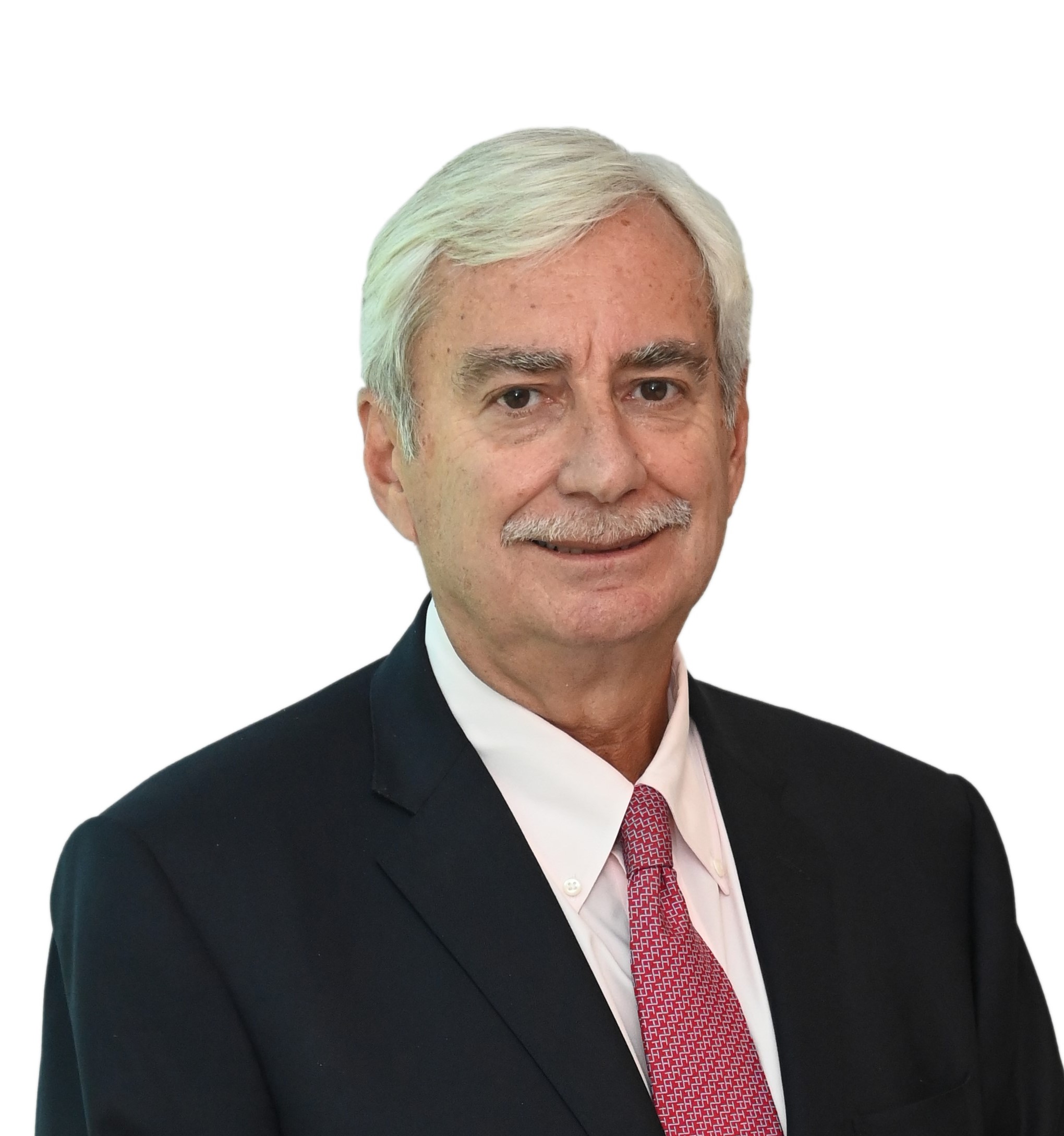 Jean-Christophe Durand joined the National Bank of Bahrain (NBB) as CEO in December 2016 where he oversees NBB’s overall operations, provides strategic leadership, ensures effective financial management and is focused on reinforcing and expanding the bank’s role as a driver for economic growth and development. Durand has over 39 years of experience, both regionally and internationally, working for leading global banking institutions and has spent over 32 years working throughout the GCC. Before joining NBB, he was the regional CEO of BNP Paribas for Middle East and Africa.
Durand holds several board positions locally and regionally, including sitting on the boards of Gulf Air, Bahrain Telecommunications Company (Batelco) and Bahrain Islamic Bank. He is the Chairman of Umniah Telecommunication Company in Jordan. He serves as the Chairman of Batelco’s Audit Committee, Chairman of BisB’s Executive Committee and is a member of the Human Resources Committee at Gulf Air.
He is the Chairman of the French Chamber of Commerce and Industry in Bahrain (FCCIB) and is a Director for the Bahrain Institute of Banking and Finance. Durand has graduated from the École Supérieure des Sciences Economiques et Commerciales Business School in Paris. Durand was awarded the ‘Legion d’ Honneur’ by the Government of France in 2016.
Q1- What emphasis does NBB place upon corporate governance and board effectiveness and how is this managed internally?
We have proudly instated a comprehensive corporate governance structure tying into our management of board effectiveness. We recognise that good corporate governance is a vital ingredient in the creation of sustainable shareholder value and the protection of the interests of all our stakeholders. Our structure has helped NBB support responsible business practices and build better relations with our stakeholders. We have successfully managed this on an internal front through our Nomination, Remuneration, Governance and Sustainability Committee, which assists the Board in fulfilling its responsibilities and meeting sustainability targets, as well as our Corporate Governance Officer and our audit and compliance teams. We have also maintained board effectiveness through annual tests, recognising it as a key pillar within our organisational structure. Each board member undergoes an annual self-evaluation of their performance and is subject to review by shareholders during the annual general meeting. A report is also conducted on the Board’s performance and attendance through our Corporate Governance Report and Annual Report.
Q2- What corporate governance trends do you expect to see gain prominence in the Gulf in 2023?
As we navigate a fast-paced industry, we witness the rise and fall of trends brought about by internal and external factors. When we take a deeper look into trends nowadays, we are looking ahead into a potential future and what our overall progression might be moving forward. The Gulf has certainly made a lot of progress in regards to instilling awareness on the responsibilities and roles of the Board, recognising the increasing presence of independent directors and the prevalent need to separate the Chairman and CEO functions and responsibilities. What we envision going forward is a general push towards three major pillars comprising of good governance, diversity and transparency. Using the Kingdom of Bahrain as a prime example, the Ministry of Industry and Commerce (MOIC) and the Central Bank of Bahrain (CBB) have each issued recent updates to the MOIC’s corporate governance guidelines and the CBB regulations that emphasize both of these pillars. The rest of the banking industry is bound to follow suit, establishing a new norm for the sector.
Q3- What do you think makes for a high-performing board? How does NBB endeavour to ensure its board is effective?
At NBB, we believe a high-performing board is one that encourages transparent communication that is aligned with the core strategy and purpose of the organisation. A Board should be comprised of members with a diverse but relevant knowledge base that are both dedicated and committed to the organisation by actively engaging with the C-suite to meet performance expectations. Beyond the formal assessments we have addressed earlier, we ensure our board is effective through various initiatives that position both the Board and our C-suite to the highest standards of accountability by our shareholders and our national, regional and internal stakeholders. With its role as the primary governing body, the Board oversees the Bank’s affairs and constantly strives to improve and build on the Bank’s strong corporate governance practices.
Q4- Why has NBB chosen to become a Strategic Partner of GCC BDI?
As a leading organisation in the region connecting board members and enhancing board capabilities, GCC BDI continues to be a partner that equips our organisation with the necessary tools and resources needed to ensure the sustainable growth and development of the NBB Group. Among other vital aspects, GCC BDI enables us to identify and implement best market practices through well-developed platforms, including programmes, workshops and literature. GCC BDI has created a strong and influential regional network of board members achieved through a knowledge sharing structure with access to global knowledge and interactions with regional and international bodies. Its delivery of over 400 programmes and forums has been a prominent resource through which NBB has been able to elevate its board activities and enhance its corporate governance practices.