
 As SISCO joins GCC BDI as a corporate affiliate, what motivated this partnership, and how do you see governance shaping the next phase of the company’s growth?
SISCO is a 100% Saudi Company that was family-created, developed and managed for over 35 years working in the Oil and Gas, Petrochemical, Infrastructure, Construction, Operation and Maintenance, Project and Construction management services, etc. The company was guided by the steady hands of shareholders with self-developed leadership acumen, some inherited from generations, and some created as a result of an economic boom in the country that offered significant growth opportunities for many small-to-medium size enterprises. Such family-owned enterprises are often operated with limited corporate governance, and with underdeveloped systems and processes.
This can expose such organizations to significant financial risks, and in some cases, threaten their solvency. At the same time, the regulatory landscape in Saudi Arabia continues to evolve, requiring businesses to adopt more structured, sustainable, and repeatable operating models. These enhancements are essential to ensuring long-term resilience and delivering consistent and predictable outcomes in products and services.
As shareholders begin to transition leadership to the next generation, the sustainability of the organization becomes imperative. This necessitates the implementation of robust corporate governance frameworks, standardized systems, and well-defined processes and procedures. Equally important is the development of a capable and well-prepared board of directors, equipped to guide the organization strategically, adapt to changing market dynamics, and respond effectively to evolving business conditions, technologies, and industry expectations across generations. As an affiliate, and by enrolling future-generation directors in structured certification programs, SISCO positions itself to achieve sustainable growth, whether organically or through strategic partnerships, while enabling vertical and horizontal expansion into new markets and territories.
Infrastructure and logistics businesses operate at the heart of economic transformation. As you look toward 2026, what strategic priorities are guiding SISCO’s board and leadership team?
The response to this question became more evident in light of the current crisis in the Gulf region. Obviously logistic business and its associated infrastructure play a central and a significant role in the economy and business environment and any transformation thereof. Robust logistics businesses require investment in associated infrastructure promoting employment, facilitating trade leading to economic prosperity nationally and internationally.
For companies like ours where local and overseas products are required, establishing long-term agreements for logistics services is a priority, together with maximizing local products and services and identifying alternative logistic means and routes for our international goods and services.
How do you ensure alignment between long-term strategic investments and day-to-day operational execution?
A measured balance must be maintained between long-term strategic investments and day-to-day operational requirements. The availability of suitable opportunities, together with the shareholders’ investment appetite, also plays a critical role in determining how aggressively the board may choose to shift this balance in either direction. In the construction industry, the acquisition of new projects is often regarded as a form of business investment. Such opportunities may initially require the formation of project-specific partnerships; however, these collaborations can evolve into long-term strategic relationships that endure for many years. This approach is inherently conservative, aligning closely with day-to-day operational requirements while simultaneously creating pathways for sustained, long-term investment and growth.
As a GCC BDI affiliate, what role do you believe organisations like yours can play in elevating governance standards across the region?
Implementing robust corporate governance, including appointing and/or developing a competent and certified board of directors, is essential to elevating the governance standards in similar family businesses across the region and can play a vital role in the sustainability and growth of these businesses.
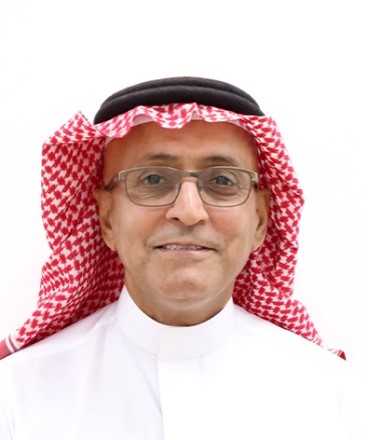
About Abdulhadi Alajmi, Chief Executive Officer, SISCO:
Currently the Chief Executive Officer of Specialized Industrial Services Company (SISCO). Formerly The Chief Operation Officer at Safari a leading FM and Infrastructure EPC Company, President and General Manager at SNC-Lavalin a leading Global E&C Company and held multiple roles at Saudi Aramco in Engineering and Project Management. Alajmi has Over 40 years’ experience in Executive Management, Strategy and Business Development, Engineering and Project Management, Partnership and JVs, Operation and Maintenance in the energy industry, Infrastructure and Mining and Metals. Known for visionary leadership and a results-driven approach in operational excellence, and implementing scalable strategies for sustainable growth, with a strong background in navigating complex projects and fostering strategic partnerships adept at steering the organization towards sustained success and market leadership. Holds a Bachelor and Master degrees in Electrical Engineering from University of Portland and Oregon State, respectively.