
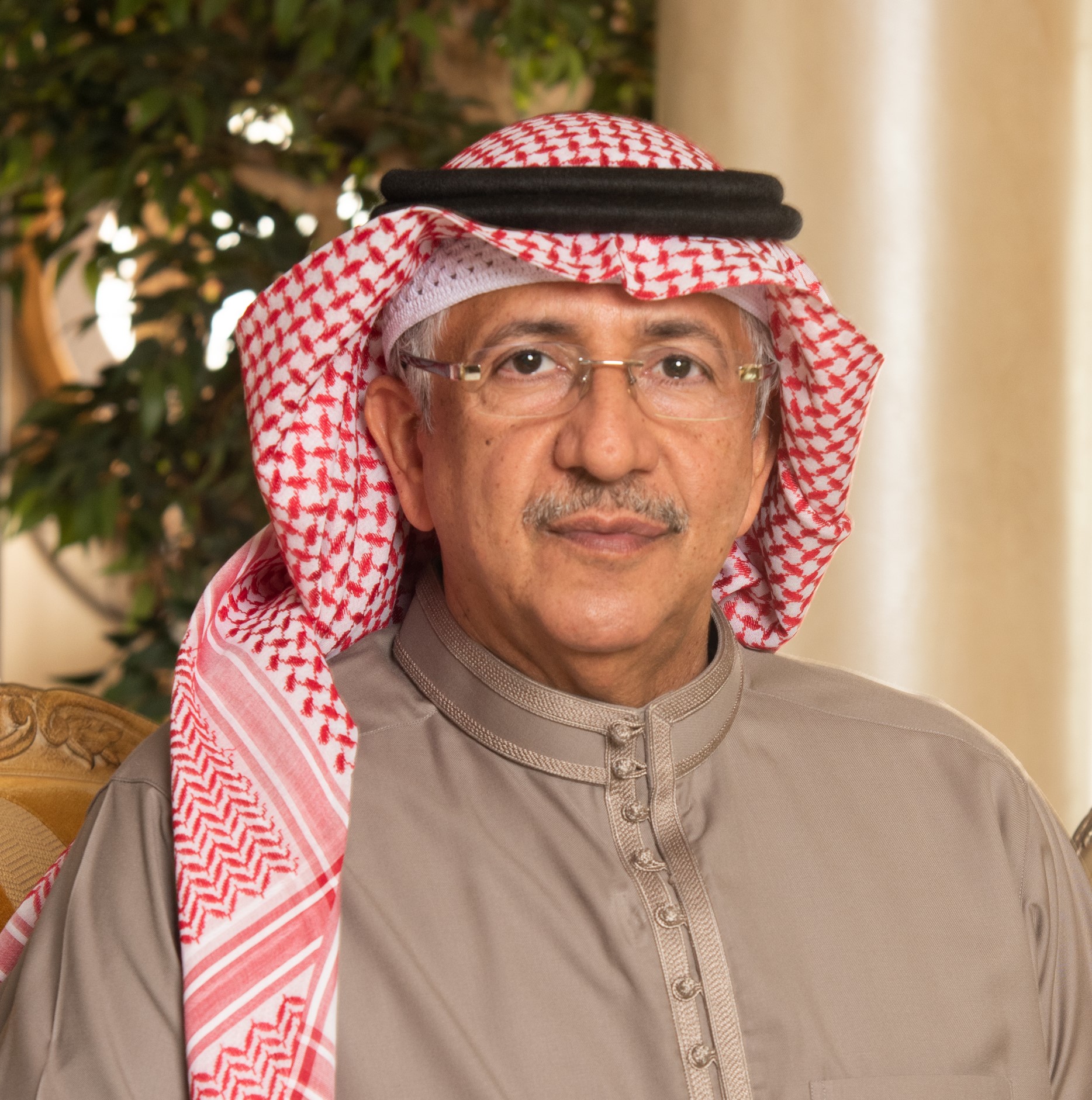
 HE Abdullatif Ahmed Al-Othman
GCC BDI Governor and Founding Chairman. He is a former Governor of Saudi Arabia General Investment Authority, a former executive at Saudi Aramco for Finance, Engineering and Project Management. Mr. Al-Othman serves on the boards of several leading public and private institutions.
If there is only one duty the board must undertake, it is the appointment and dismissal of the CEO. Regardless of how excellent and well-established an enterprise is, with the wrong CEO, it is poised for a decline. While many boards recognise that selecting the right CEO stands as one of their most crucial tasks, very few have a well-established and effective process for it. They often find themselves caught off guard, rushing through this critical task, thus depriving the organisation of selecting the best fit.
The contemporary landscape exacerbates the challenges for boards, given the diminishing tenures of CEOs. Departures occur for various reasons, ranging from the pursuit of greater responsibilities to a lack of alignment with the board's vision. Boards also instigate changes due to unsatisfactory performance. However, increasingly, the impetus for CEO replacement stems from the need for leaders with progressive and transformative capabilities in the face of unprecedented technological and business paradigm shifts.
Regardless of the reasons behind a CEO's departure, boards must adopt a proactive stance and implement a meticulously crafted framework for CEO succession. The accelerating pace of technological advancements and business transformations necessitates an agile and well-prepared approach to ensure seamless transitions and the selection of leaders equipped to navigate the uncharted waters of change.
The recommended framework should encompass the following key components:
Formal and documented process with objective criteria and assessment tools. Establish a comprehensive and documented process featuring objective criteria and assessment tools. Clearly articulate how candidates will be identified, screened, and evaluated through steps including interviews, leadership assessments, and the presentation of their strategic plans.
Define the role of the board and other bodies of the board. Clearly define the roles of the board and other bodies within it. While the board has an overarching responsibility for CEO selection, individual members should actively engage, become acquainted with, and endorse potential candidates. Some boards may delegate the process to the Nominating and Governance Committee or a special committee, while retaining the final decision within the entire board.
Align skills and capabilities to the forward strategy of the company. The selection process must be very objective, and the board must be fully aligned on the skills and capabilities of the future leader. This can be best developed by agreeing on the strategy and the future shape of the organization. From such discussions, the board can then extract the required skills, capabilities, and the profile of the future leader.
Build a pipeline of internal candidate and involve the CEO. A well-matured organisation should develop and groom capable internal candidates. The succession planning process should identify and develop high-potential CEO candidates, giving them the right exposure. External candidates are more suitable if the organisation does not groom the right internal candidate or if the strategy requires a transformative leader with skills not found in the talent pool. The sitting CEO must participate in all discussions about criteria and skills, seeking opinions about internal candidates, but the board must retain the overall responsibility. Having a mix of internal and external candidates run through the process is the most ideal as it will give the board a full spectrum of potential leaders and an objective way for assessing and benchmarking internal candidates.
Have a contingency plan for early and sudden departures. A good succession framework must have a contingency plan and identify a candidate who can fill the job while a permanent candidate is selected. Such candidates could be from senior management, the board, or a retired executive affiliated with the organisation.
Keep Stakeholders informed. Shareholders, investors, the market, and employees need to have full confidence and trust in the board. Such trust will be earned by keeping them informed of the process if a search is taking place, and when a candidate is selected. Leaving things ambiguous can destroy confidence and invite unwanted criticism and interference.
By incorporating these crucial elements into the CEO succession framework, boards can position themselves effectively, making decisions that earn the admiration and trust of stakeholders.